The Winning Film - Guldäpplet 2015
 Micke Kring
·
Micke Kring
·
The text below is the text that appears in the film, and what I want to describe is what drives me in my work at school. It’s very hard to keep it to around 3 minutes and I hope I haven’t oversimplified things too much and that you understand how I’m thinking.
Why?
Who doesn’t enjoy working hard and being focused? As long as there’s a good reason, that is. A purpose — or a good why. And working together to achieve something bigger than we could have done alone is even more rewarding. That, in turn, requires a lot of work, knowledge, skills, social maneuvering and an open culture. And that’s exactly what makes it so good in the end. The reward becomes so much greater.
In my job I get to do that every day, together with my colleagues and our students. And I want to help make them feel the same way.
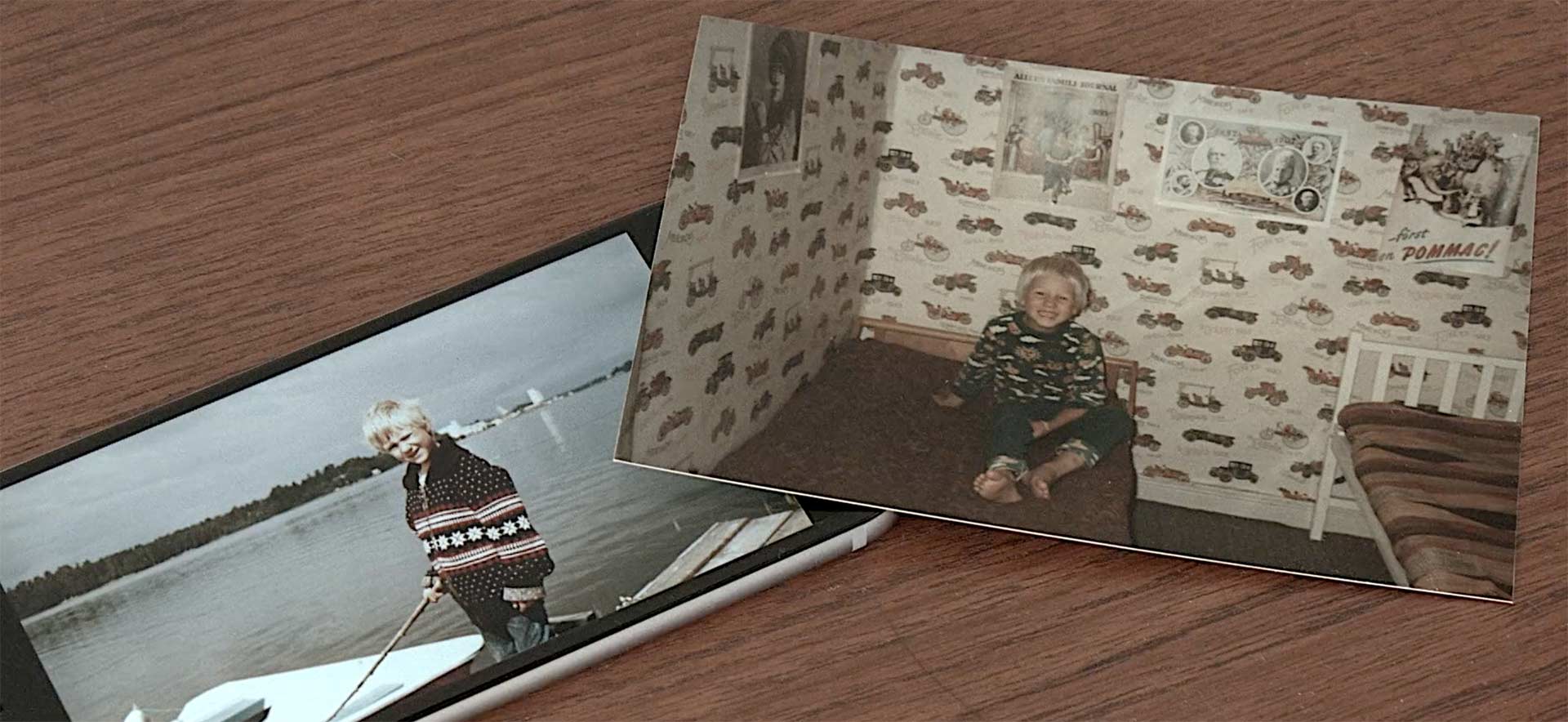
When I was in school myself, it wasn’t so obvious — the why itself. At first I liked school, but my motivation was hard to keep up when I didn’t understand why I was supposed to do the things we did. Most of the time we asked after lessons if we were finished and could throw away what we’d worked on once everything had been corrected. Occasionally we got to share what we’d done with the group or someone else. That was appreciated. Our work had an audience. And thereby a purpose.
Fast-forward a bit and we land at Årstaskolan — the place I’ve called my workplace since 2001. I’ve always liked technology but above all what technology can do for us. And when IT, and especially the internet, started finding its way into homes, it became really exciting.
We’ve always looked for technology that is as transparent and invisible as possible, so we can focus on the content and the learning goals we want to achieve. The big milestone came with the learning tablet. A Swiss Army knife that enabled multimodality in a whole new way. This, packed with a low barrier to getting started, mobile and always-available internet, low weight and long battery life. Writing, filming, recording audio, creating music and many other things were now possible for all ages.
When I saw the students and how they, among other things, worked on novel projects created by the teachers — where nine-year-olds wrote 9-chapter novels they’d worked on for months — I really didn’t want my own school experience to be repeated. They shouldn’t have to ask if they could throw away their work. These books should reach an audience beyond the school’s walls. Others should be able to borrow these books, and that’s how Bibblis, our e-library, was born.
We now have a bunch of different services that we run ourselves, from server out to users — a digital ecosystem. Built out of respect for our students’ work and based on pedagogical projects and ideas created by our teachers. In order to create real arenas where they can operate. An attempt at an answer to why. E-library, film service, blog portal, poetry app, podcasts, talasomTED, various sites from our events and a lot more. To this we can also tie important knowledge about copyright, source criticism, social media and marketing.
Because we run everything ourselves, we can also develop everything ourselves and change the services over time or scrap those that don’t work. We also own all the data. The speed of running development at grassroots level also means that in a couple of days we can set up environments to test new pedagogical ideas.
I think it’s important that students not only get the opportunity to sample the smorgasbord of knowledge we offer at school. They should also get the chance to try on and step into different identities and roles — as authors, poets, speakers and other roles — and get the opportunity to operate in an authentic environment. Publicly. Their work should feel important. For real.
If we can send our students out after all the years they’ve spent with us — standing firmly on a solid set of values, filled with knowledge they know how to use, with the feeling that they can make a difference and also knowing how — I think we’ve given the children a good start in life. And that’s what I’m more than happy to work hard for.
EDIT: Since many people ask who made the film, I suppose I should “reveal” that it was me. A camera, lots of takes of myself and my digital devices scrolling through our sites and apps. Edited in Final Cut Pro. Audio recorded and edited in Logic Pro.
About the author
Micke Kring
I'm fascinated by what happens when people and technology meet. After nearly 30 years in education and development, I explore, prototype and teach AI with the same playful curiosity as when I first started out.