10 Tips for a Good Meeting Culture at Your School (or Workplace)
 Micke Kring
·
Micke Kring
·
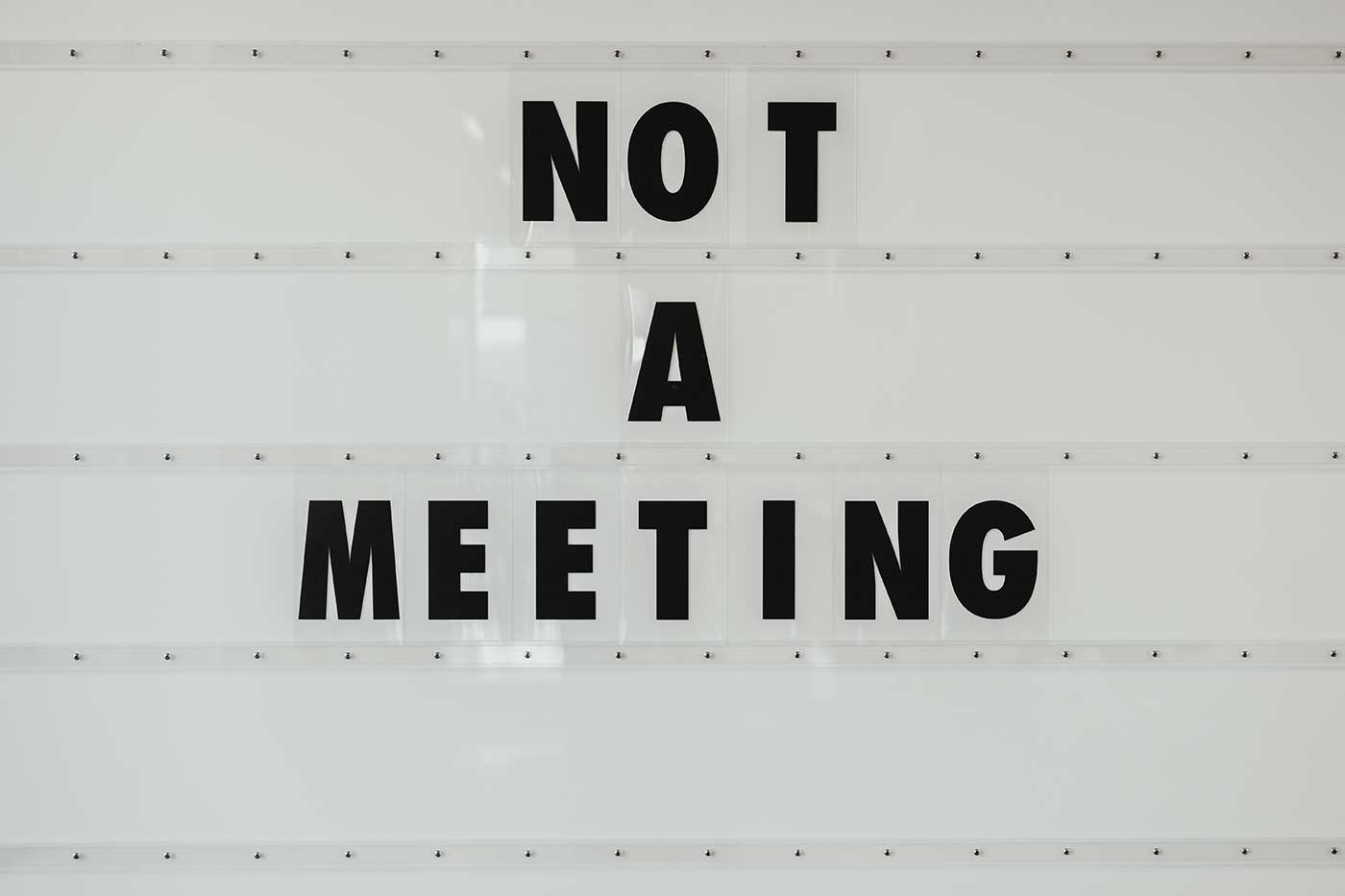
Meetings and meeting culture are basically very simple — and that’s what makes it so difficult. Because, like everything that involves people and their relationships, it doesn’t really matter how nice rules and support documents we have. When we sit face-to-face with each other we have to accept that we all have different priorities and are passionate about completely different things. It’s even the case that some professions live on meetings while other groups have more hands-on jobs, which leads to stress at having to sit through, for them, an irrelevant meeting when they could have cleared a lot of tasks.
After 20 years in schools with different meetings and meeting types at various workplaces and departments, I thought I’d pull together the [IMHO] most important points for a successful meeting. It’s entirely unscientific and based on what I dislike most and what I’ve over the years heard friends and colleagues get irritated about and complain about. “Oh great, that was 1.5 hours I’ll never get back.” is not an uncommon comment, unfortunately. Of course I’m guilty of breaking some of these rules occasionally myself, but I try to constantly improve. Nowadays I try to avoid both holding meetings and participating in them, and that works pretty well. Few things make my skin crawl the way sitting in a meeting that shouldn’t have been a meeting does. The 10 points are listed in chronological order, from the idea of a meeting until the meeting is done. Let’s go!
Also remember — not everything is black or white. There are shades of gray.
1. All meetings are voluntary
Of course there will always be meetings you must attend, for example because of your expertise, but in principle all meetings should be optional. If you’re called to a meeting and don’t feel interested or have nothing to contribute, it’s better that you have the option to opt out. That will raise the quality of the meeting because those present actually want to be there (hopefully). If you call a meeting and nobody wants to come, maybe that says something about the content, or about your colleagues. :)
2. Before you call a meeting — do you actually need a meeting?
There’s a type of meeting that almost always becomes a flop. ;) It’s the meeting that isn’t well thought through and often comes from the fact that the person who called the meeting hasn’t formulated their own thoughts to themselves first. Another variant of this is often the information meeting — created because the person who wants to inform hasn’t taken the time to compile their information into an email. It often becomes some kind of unstructured sounding-board meeting that rarely leaves anyone satisfied. An extra bonus is when you get the keynote from the information meeting by email and realize that would have been enough — and that in 2 minutes you got the information that took an hour in the meeting. Thinking of booking a meeting? Do you know what you want to get out of it? Maybe an email is enough, or a phone call or a chat first? Or simply sitting down in peace and thinking a bit first.
3. What type of meeting are you calling?
Now you’ve decided you want to gather some colleagues for a meeting. First think about what type of meeting you are calling. Is it an information meeting, a decision meeting, or a discussion meeting? Depending on the meeting type, different preparation may be needed by you and your participants, and it’s rarely good to mix types. For example, it can be hard to make a sensible decision after listening for an hour to someone informing about something that really should have been an email, then discussing the content for another hour and only after that making a decision when everyone just wants to go home. That should have been two shorter meetings — discussion and decision. Why not three? Because no one should ever call an information meeting. We use emails for those.
3.5 Information meeting
It’s almost always wrong to hold an information meeting, but sometimes necessity forces us. At least make sure there’s an opportunity for questions or other communication at the end. Another hot tip is to hold the meeting via Skype or a similar service so people can sit where they want.
4. Agenda with few items (preferably one) and what you should have achieved / the purpose
When you’re invited to a meeting, there should of course be a clear agenda with the information about the content that allows you to decide whether you want to attend or not. Besides the agenda, there should be a clear purpose for the meeting and what the meeting organizer wants to have achieved when the meeting is over. It’s not enough to have ‘Budget’ as an item, or ‘Micke har ordet’. The better the preparation, the better the conditions. NOTE! If you as the organizer still want several items on your meeting, make sure they are relevant to all your participants. If not, you’ve lost those participants to social media, Candy Crush or the work they could have done if they hadn’t had to be at your meeting. No one likes to sit for half an hour pretending to be interested in something they’ve been excluded from. In that case, schedule the items and let participants leave when they are no longer affected. NOTE 2! If you as the organizer have invited an external person to attend for a specific item, make sure that item is first. Don’t keep the external person waiting. Respect.
5. Always come prepared or don’t come at all
If you’re invited to a discussion or decision meeting where you were supposed to have read the background material — but didn’t — then you should leave the meeting. The other participants don’t have time to bring you up to speed on what the material covers. They also don’t have time to listen to you talk uninformed about the topic in the hope of faking your way through the meeting. Own up and think about why you didn’t do what you were supposed to, when you chose to attend the meeting.
6. Always arrive on time — and start at the scheduled time
No, there is no “academic quarter” at meetings — only disrespect for other people’s time. Period. Always start meetings at the scheduled time — and in the same way as the previous point, latecomers shouldn’t be briefed on what they missed. Of course anyone can be late sometimes, but be honest: it’s usually those people who have a habit of being 5 minutes late.
7. Lead the meeting
This point should really have been first, but we’re going chronologically through the meeting order, so here it is. Most complaints I hear about meetings are usually because no one is really leading the meeting. Of course the person who called the meeting should lead it, but they can outsource that to someone else. Just make sure there’s a clear leader. If everything in points 1–6 is in place, leading the meeting is about ensuring what needs to be handled actually gets handled and nothing else. As quickly and efficiently as possible. And now’s the time to corral those participants who always go off topic, don’t understand the question, love the sound of their own voice a bit too much, see every meeting as a ventilation of how bad everything is and gladly bring down the mood and suck the energy out of everything and everyone. That’s a completely different meeting, unless those are actually the things to be addressed. Cut it off as soon as you see the tendencies and stick to the agenda. Otherwise you might as well end the meeting. The energy and focus of the participants has gone somewhere else now.
8. Someone is never designated as responsible
Everyone’s responsibility is nobody’s responsibility. If you decide on something, big or small, there must always be a designated person responsible for it. Otherwise nothing will happen. And at the next meeting you’ll wonder why Nobody has done what you decided Someone should do. Those appointed as responsible for what you decide should also follow up and inform about how their item is progressing and when it’s finished.
9. A meeting doesn’t have to take the whole allotted time
An extremely common mistake. A meeting is not an exchange of time to avoid working. If you’ve allocated an hour for a meeting but you’re finished after 20 minutes — end it then. Pat yourselves on the back for being efficient and go get a coffee together. Other beverages are of course allowed too.
10. Evaluate the meeting
It’s always good to run a quick summary of the meeting and check whether you achieved what you set out to. It’s not uncommon for people to come out of meetings wondering what they did or what they talked about. You could also ask questions like:
- Was there a clear reason for the meeting and did we address what we were supposed to?
- Was the content relevant to you?
- Did you get anything out of the meeting?
- Did the meeting move us forward to something?
- Did we need to have this meeting face-to-face?
Finally
In recent years I don’t have major problems with the meetings I attend. I think they are generally at a fairly high level, but it’s also because I opt out of those I feel won’t give me anything. Beyond that, many people have started running meetings via Skype and similar, and that suits me perfectly. Whether the meetings I call meet the standard is for someone else to answer, but I try to think about the points I’ve listed above. What are your best tips for running good meetings? Please share in the comments here or on social media, and I’ll add them to the article.

About the author
Micke Kring
I'm fascinated by what happens when people and technology meet. After nearly 30 years in education and development, I explore, prototype and teach AI with the same playful curiosity as when I first started out.